
The Ultimate Guide to Learning AI: Recommended Resources for Aspiring AI Practitioners
After working in AI and machine learning for over four years, I’ve gathered a wealth of knowledge and experience about the best resources to kickstart and advance your journey in artificial intelligence. Whether you’re a complete beginner or looking to deepen your expertise, this guide breaks down essential learning materials across five key categories:
- Programming and Software Engineering
- Mathematics and Statistics
- Machine Learning
- Deep Learning and Large Language Models (LLMs)
- AI Engineering and Production Deployment
Let’s dive in.
1. Programming and Software Engineering
Strong programming and software engineering skills are foundational for working in AI. Greg Brockman, CTO of OpenAI, emphasizes this point as well.
Why Python?
While AI is a rapidly evolving field without a fixed “de facto” language, Python remains the dominant language today. Its extensive ecosystem of machine learning libraries and frameworks makes it indispensable. Most AI jobs evolved from traditional machine learning roles where Python is the lingua franca — and this is unlikely to change anytime soon.
Beyond Python
However, the role of an AI engineer increasingly resembles software engineering, with backend languages like Java, Go, or Rust gaining importance. Personally, I use Rust in my day job, which highlights how diverse your skillset can be.
Recommended Resources:
- Learn Python Course by freeCodeCamp: A 4-hour beginner-friendly course covering Python fundamentals.
- Python for Everybody Specialization (Coursera): One of the most popular Python courses with a strong reputation.
- HackerRank and LeetCode: Great platforms to practice coding problems and prepare for interviews.
- NeetCode: Excellent for learning data structures, algorithms, and system design — vital for software engineering roles.
- Harvard CS50 Introduction to Computer Science: The gold standard for absolute beginners to learn computer science fundamentals and programming.
Tip: The best way to learn programming is by practicing. Use these resources to grasp fundamentals, then start building projects and solving problems consistently.
2. Mathematics and Statistics
Some argue that you don’t need deep mathematical knowledge since many large language models (LLMs) are used out-of-the-box. I disagree — understanding the math behind these models is key to mastering AI.
Core Areas to Focus On:
- Statistics
- Linear Algebra
- Calculus
Top Resources:
- Practical Statistics for Data Scientists: Applied statistics with hands-on Python examples, perfect for data science, machine learning, and AI.
- Mathematics for Machine Learning (Textbook): Covers linear algebra and calculus. It’s dense, so focus on relevant chapters.
- Mathematics for Machine Learning and Deep Learning Specialization (DeepLearning.AI): A targeted course designed specifically for AI and machine learning applications.
These three resources will comprehensively cover the math skills you need for a lifelong career in AI.
3. Machine Learning
A Brief History
AI as a concept dates back decades. Today’s AI boom, especially generative AI like ChatGPT, is just one facet of this broad field.
Essential Machine Learning Resources:
- Hands-On Machine Learning with Scikit-Learn, TensorFlow, and Keras (Book): The ultimate practical guide, covering fundamentals, application, and advanced topics like reinforcement learning and autoencoders. If you get just one book, this is it.
- Machine Learning Specialization by Andrew Ng (Coursera): One of the best and oldest ML courses, revamped to use Python. It offers a solid theoretical and practical foundation.
- The 100-Page Machine Learning Book by Andriy Burkov: A concise overview ideal for quick reference and grasping broad concepts.
- The Elements of Statistical Learning (Textbook): A deep dive into statistical learning methods; more theoretical and dense but invaluable for understanding classical ML algorithms.
Bonus Recommendation:
- Zero to Mastery’s Complete AI, Machine Learning & Data Science Bootcamp: If you want a project-based, career-focused bootcamp, this one is exceptional. It teaches you how to build real-world applications and has a large community supporting learners.
4. Deep Learning and Large Language Models (LLMs)
Deep learning powers modern generative AI models — understanding it is crucial if you want to work with LLMs, diffusion models, and transformers.
Start with PyTorch
There are two main deep learning libraries: TensorFlow and PyTorch. I recommend PyTorch because:
- It’s widely used in research (77% of papers in 2021)
- Most Hugging Face models (92%) are PyTorch-exclusive
- It’s becoming the industry standard
Recommended Learning Path:
- Deep Learning Specialization by Andrew Ng: Covers CNNs, RNNs, and foundational deep learning concepts.
- Introduction to LLMs (Video by Andrej Karpathy): A one-hour overview of generative AI and large language models.
- Neural Networks Zero to Hero by Andrej Karpathy: Builds deep learning from scratch using PyTorch and numpy — ending with building a GPT model from the ground up.
- Hands-On Large Language Models by Jay Alammar (Textbook): Written by the author of the famous “Illustrated Transformer” blog, this book is the best up-to-date resource on understanding transformers and LLMs intuitively.
5. AI Engineering and Production Deployment
Having theoretical knowledge is great, but real impact comes from deploying AI models into production to solve real-world problems.
What is AI Engineering?
Most AI jobs today are AI engineering roles — closer to software engineering. Rather than building models from scratch, AI engineers integrate, optimize, and deploy pre-trained foundational models like LLaMA, Claude, or ChatGPT.
Recommended Books on AI Engineering:
- Practical MLOps: Focuses on deploying traditional machine learning models, covering containerization, Docker, cloud systems, and more.
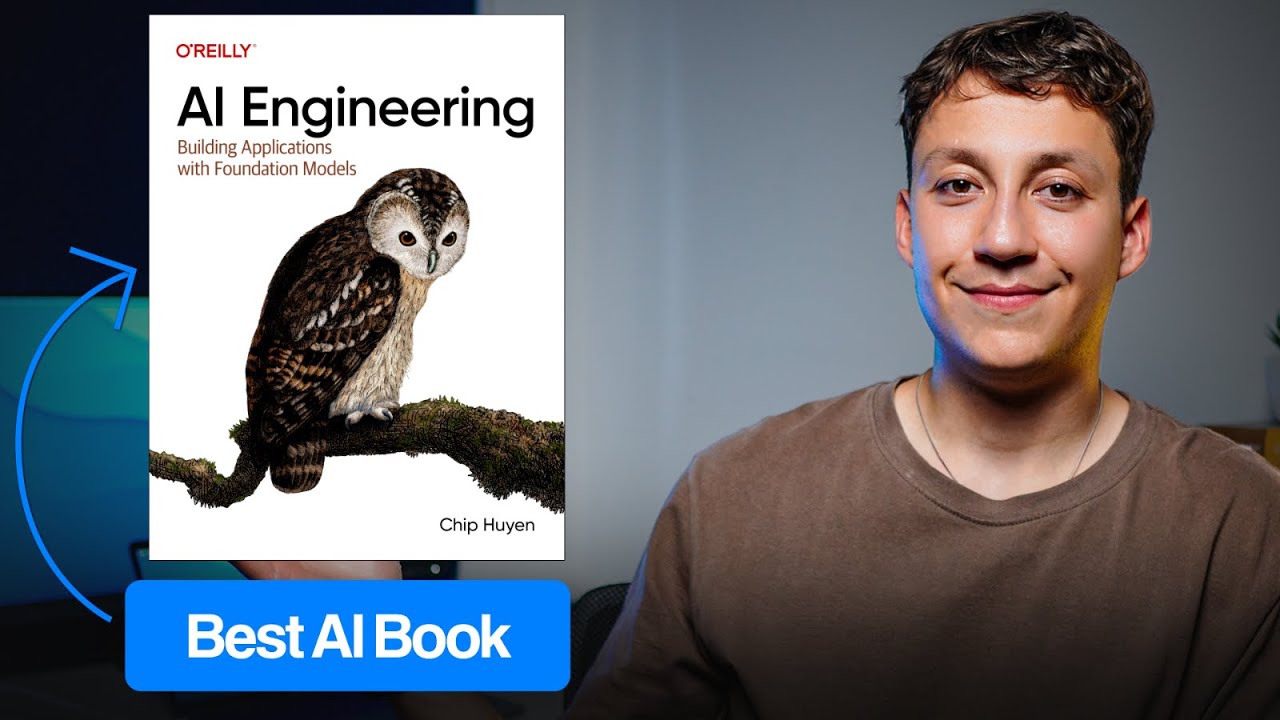
- AI Engineering (Textbook by Chip Huyen): A comprehensive and highly recommended book by a leading expert on deploying AI and ML systems.
Closing Thoughts
This collection of resources may seem intimidating at first, but don’t feel pressured to consume everything at once. The key is to start with one resource, learn what’s relevant to you, and apply your knowledge by building projects.
Remember Andrej Karpathy’s advice on learning AI:
- Take on concrete projects iteratively — learn on demand rather than trying to master everything at once.
- Teach and summarize what you learn in your own words.
- Compare yourself only to your past self, not others.
If you want personalized coaching, CV reviews, or tailored roadmaps for your AI journey, I offer one-on-one coaching services. Check the links below if you want to accelerate your learning path.
Final Words
Embarking on an AI career is a marathon, not a sprint. With dedication, the right resources, and hands-on practice, you can build a strong foundation in this exciting and rapidly evolving field. Happy learning!
Useful Links and Resources Mentioned:
- Learn Python by freeCodeCamp
- Python for Everybody Specialization (Coursera)
- HackerRank
- LeetCode
- NeetCode
- Harvard CS50
- Books:
- Practical Statistics for Data Scientists
- Mathematics for Machine Learning (textbook)
- Hands-On Machine Learning with Scikit-Learn, TensorFlow, and Keras
- The 100-Page Machine Learning Book
- The Elements of Statistical Learning
- Hands-On Large Language Models by Jay Alammar
- Practical MLOps
- AI Engineering by Chip Huyen
- Courses:
- Machine Learning Specialization by Andrew Ng
- Deep Learning Specialization by Andrew Ng
- Mathematics for Machine Learning and Deep Learning Specialization (DeepLearning.AI)
- Zero to Mastery AI, Machine Learning & Data Science Bootcamp
- Neural Networks Zero to Hero by Andrej Karpathy
- Introduction to LLMs (Andrej Karpathy video)
Feel free to share your favorite AI learning resources or ask questions in the comments below!